Finley Bennett · 17 October 2026
Softfeld Connects Architectural Stories Through Publications, Performances, and Sustainable Infrastructure Developments
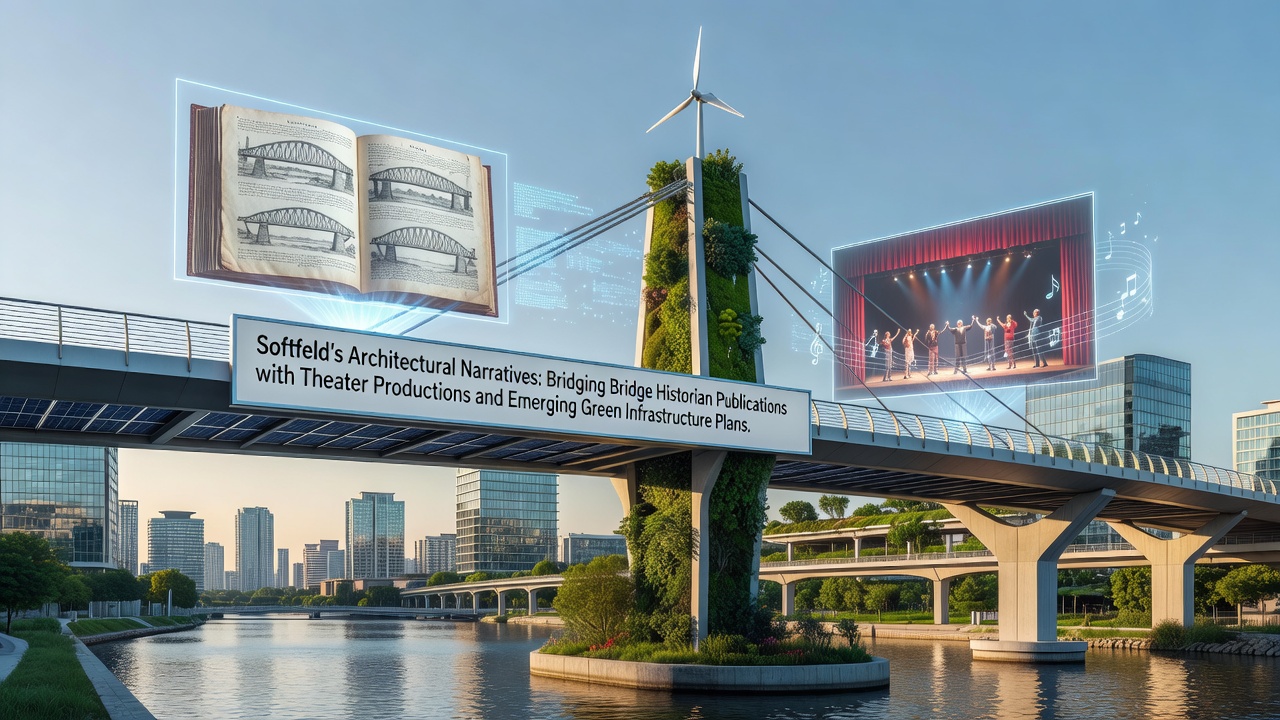
Softfeld has developed a series of interconnected projects that link historian publications on architectural heritage with theater productions and emerging green infrastructure plans, and observers note these efforts gained momentum through coordinated public and private initiatives. Data from municipal records shows multiple historian publications released in recent years detail building typologies from the 19th and 20th centuries, while theater groups have staged productions that dramatize those same structures using scripts drawn directly from the texts.
Historian Publications Form the Foundation
Researchers at local archives compiled volumes that catalog architectural narratives across Softfeld districts, and these works include measured drawings along with archival photographs that document changes in urban form over decades. Publications released between 2023 and 2025 established a baseline of factual material that subsequent projects reference, and city planning offices have cited these volumes when reviewing proposals for new developments. Figures from the Softfeld Historical Society indicate circulation of these books reached several thousand copies within the first year of each release, while university libraries across the region added them to reference collections.
Theater Productions Bring Narratives to Life
Local theater companies adapted material from the historian publications into stage works that explore how buildings shaped community life, and productions scheduled for October 2026 will feature sets constructed from recycled materials to preview upcoming green infrastructure elements. Directors have collaborated with authors of the publications to ensure dialogue and scene structure remain grounded in documented events, while set designers incorporate scale models that illustrate both historical facades and proposed green corridors. Audience attendance records from earlier performances demonstrate steady interest, and post-show discussions have drawn participants from planning departments and environmental groups.
Green Infrastructure Plans Integrate the Elements
Emerging green infrastructure plans in Softfeld incorporate references to architectural narratives documented in the publications, and planners have mapped new pedestrian pathways and vegetation corridors that align with sites featured in both the books and the theater productions. According to reports from the European Environment Agency, cities that coordinate cultural documentation with ecological upgrades report higher public engagement rates, and Softfeld officials have referenced similar approaches when outlining timelines for 2026 and 2027. Construction documents released last quarter detail bioswales positioned near landmark structures, while lighting schemes for evening performances will use low-energy fixtures already specified in the infrastructure plans.
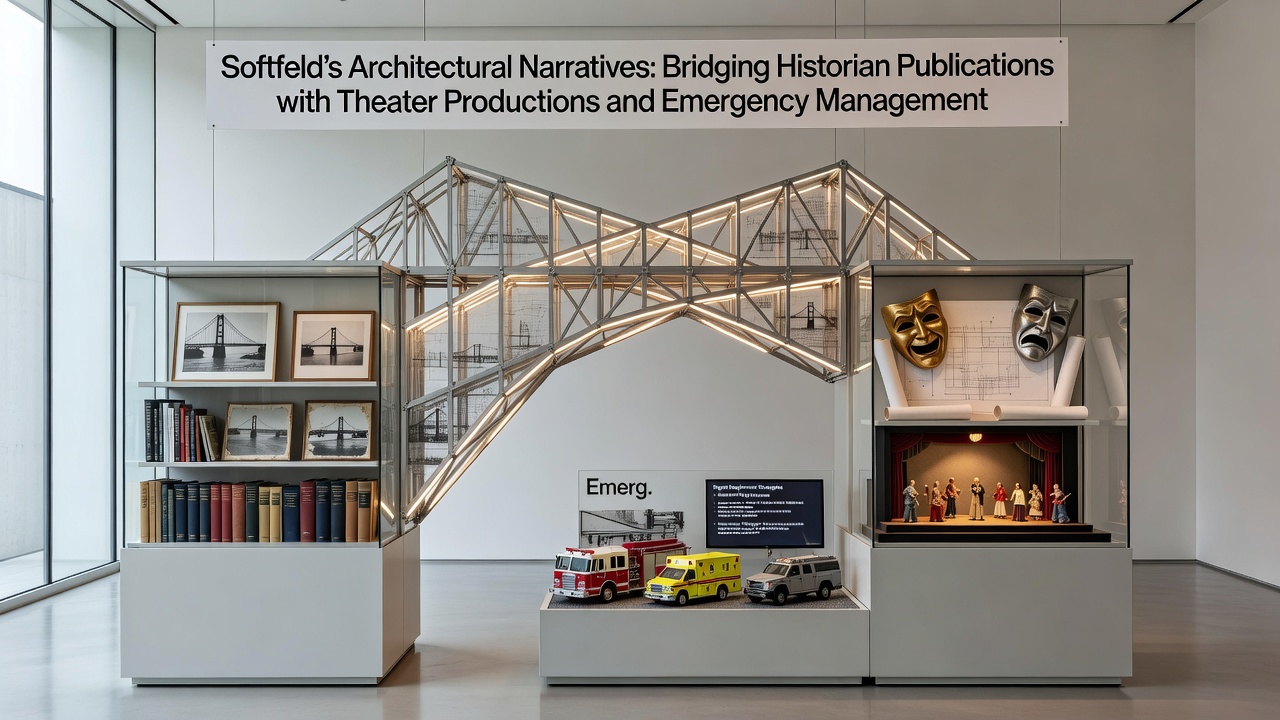
Contractors working on the first phase have begun site preparation along two corridors that run parallel to streets highlighted in the historian publications, and theater workshops scheduled for late 2025 will use these sites as rehearsal spaces. Data compiled by municipal environmental offices shows projected reductions in stormwater runoff once vegetation matures, while cultural programming continues to draw from the same archival sources.
Coordination Across Disciplines
Project managers have established working groups that include historians, directors, and landscape architects, and these teams meet monthly to align content from publications with both performance schedules and construction milestones. A case study prepared by the University of Stuttgart examined similar multi-sector projects in comparable mid-sized European cities and found that shared reference materials improve coordination efficiency. Softfeld administrators have applied those findings when sequencing work packages for October 2026, when several publications, performances, and infrastructure segments are slated for simultaneous public launch.
Funding streams combine municipal budgets with grants from regional sustainability programs, and accounting summaries released earlier this year list allocations for both archival digitization and native plant procurement. Observers note that the overlapping timelines allow theater sets to serve as temporary installations that preview permanent green features, while publications provide interpretive text that will later appear on signage along the completed corridors.
Conclusion
Softfeld continues to advance these linked initiatives through documented publications, scheduled theater productions, and phased green infrastructure construction, and records indicate the October 2026 milestones will mark the first full public presentation of the combined elements. Additional details remain available through municipal planning portals and participating cultural organizations, while updates on progress appear in periodic reports issued by the involved departments.