Frankie Weber · 31 October 2026
Softfeld's Bike Paths Fuel Conversations About Education Curricula and Cultural Legacy Conservation
Softfeld's expanding network of cycling routes has prompted local educators and heritage groups to examine how physical infrastructure intersects with classroom content and preservation efforts; city records show route expansions began in early 2024 and continued through targeted additions in 2025, with further segments scheduled for completion by October 2026. These paths connect residential areas to schools, museums, and protected sites, creating practical links that encourage residents to consider both mobility options and the stories embedded in the landscape.
Route Development and Community Engagement
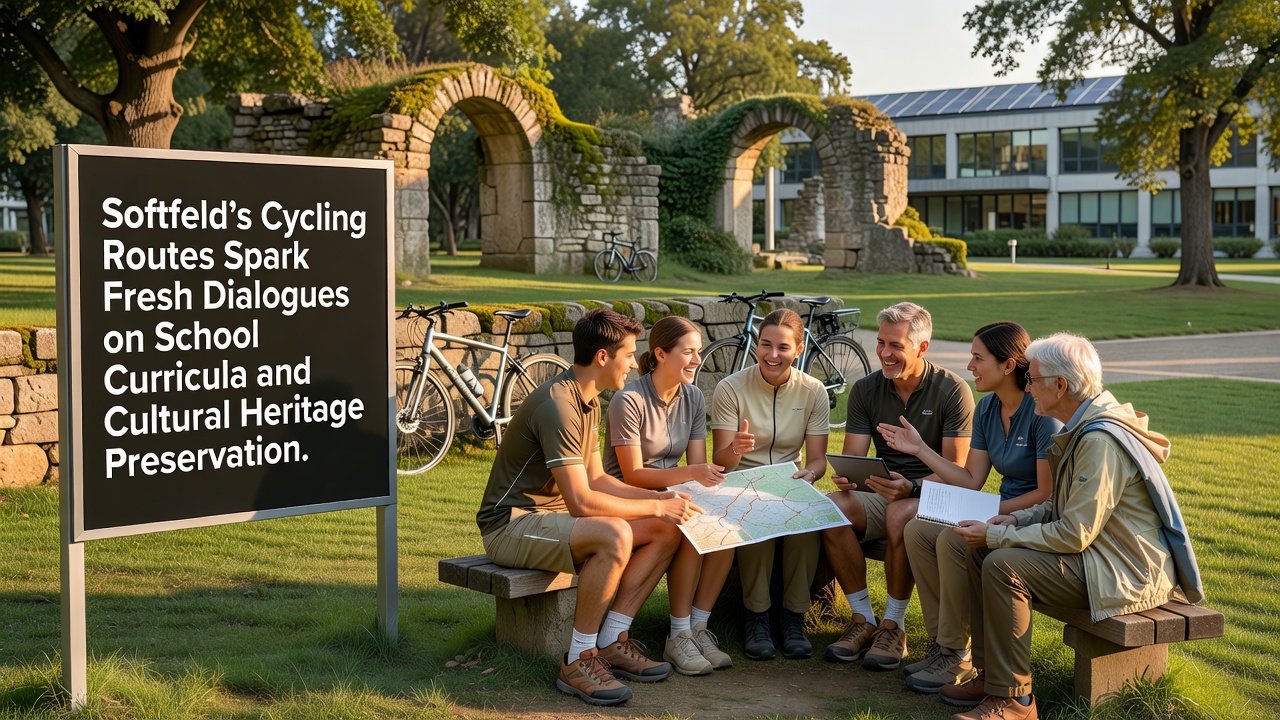
Planners integrated the new paths along established corridors that already pass near several 19th-century buildings and former industrial zones now designated as heritage areas, and traffic data collected by municipal offices indicate increased bicycle usage along these stretches since the first segments opened. Community workshops held throughout 2025 brought together teachers, historians, and cyclists to review how the routes could serve as living examples for lessons on local history and sustainable transport.
One series of meetings focused on mapping heritage points directly adjacent to the paths, allowing students to visit sites on foot or by bike during field exercises, while data from similar European projects cited by the European Cyclists' Federation show measurable rises in student awareness of cultural landmarks when routes provide direct access. Discussions extended to curriculum adjustments that would incorporate route-based activities into geography and history modules without adding new standalone subjects.
Links to School Curricula Adjustments
School administrators report that several institutions have begun piloting short modules that combine physical activity along the routes with classroom analysis of architectural styles and industrial heritage, and preliminary assessments from the 2025 academic year indicate higher student participation rates in these combined lessons compared with traditional lecture formats. Teachers note that the visible presence of preserved structures along the paths gives tangible context to textbook material on regional development, while the routes themselves illustrate ongoing efforts to balance growth with conservation.
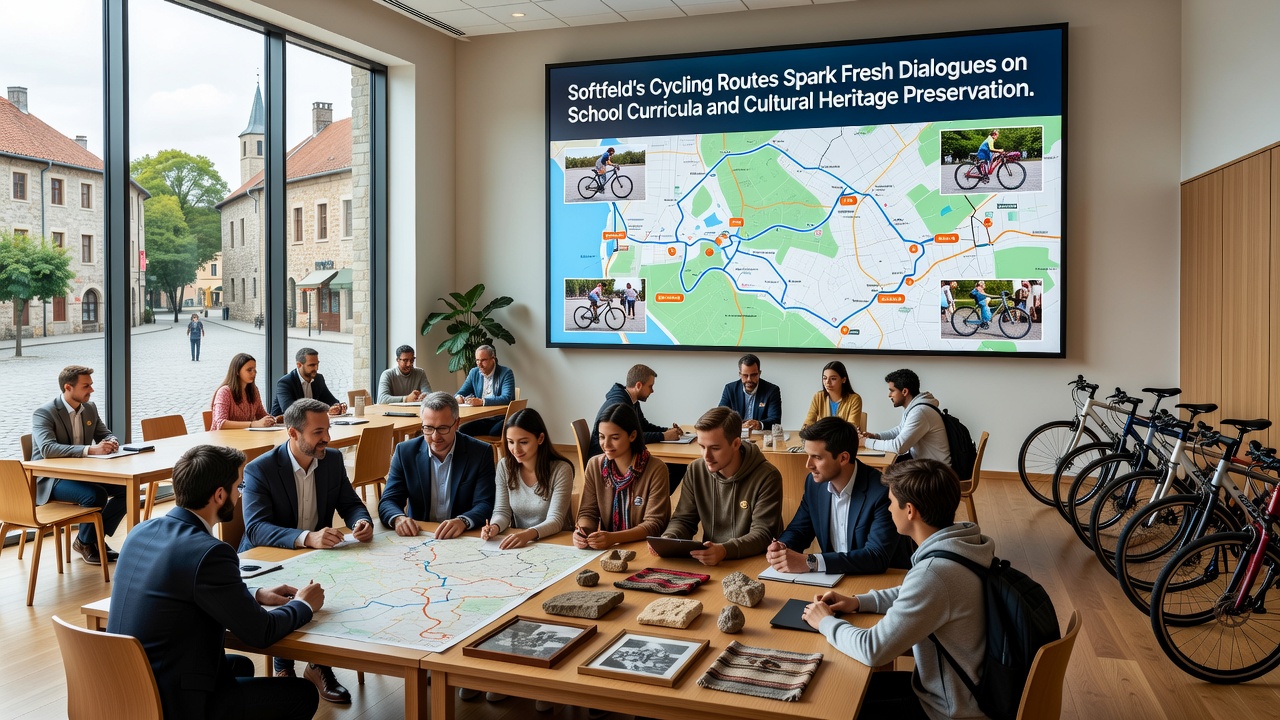
Education authorities have collected feedback suggesting that integration of cycling segments into existing physical education and social studies blocks requires minimal additional resources, and coordination between the transport department and the school board has produced shared maps that highlight both safety features and heritage markers. These materials are now under review for wider distribution ahead of the October 2026 expansion phase.
Heritage Preservation Through Active Use
Heritage organizations have observed that increased foot and bicycle traffic near protected sites correlates with greater public reporting of maintenance needs, and records maintained by the regional preservation office document a rise in volunteer interest following the route openings. The paths avoid direct intrusion into sensitive zones yet place them within easy reach, allowing visitors to appreciate context without concentrated pressure on any single location.
Studies referenced from UNESCO guidelines on sustainable tourism and heritage sites emphasize that accessible yet controlled routes can support conservation by fostering community stewardship, and local groups in Softfeld have applied similar principles by installing interpretive signage along the newest segments. These signs present concise historical facts tied to visible landmarks, turning routine commutes into opportunities for informal learning that complements formal curricula.
Broader Regional Context and Data Trends
Comparative figures from other mid-sized European municipalities indicate that cycling networks near heritage districts often coincide with stable or improved preservation outcomes when paired with educational components, and Softfeld's planning documents cite these patterns as reference points for ongoing monitoring. Attendance at heritage events hosted near the routes has risen steadily since 2024, according to event logs compiled by cultural centers, suggesting the infrastructure supports both daily movement and occasional public programming.
October 2026 remains the target date for completing remaining links that would connect additional schools and outlying heritage properties, and project timelines published by the city indicate continued consultation rounds with educators and preservation specialists through the coming year. These steps maintain alignment between transport goals and cultural objectives without requiring separate policy overhauls.
Conclusion
Softfeld's cycling routes continue to serve as practical connectors between daily routines, educational settings, and heritage locations, with documented activities showing incremental curriculum adaptations and preservation monitoring. The pattern established through 2025 workshops and pilot programs provides a framework for the expansions planned through October 2026, while available data from municipal and regional sources track usage alongside engagement metrics. Further documentation will clarify how these elements evolve as additional segments open.