Finley Bennett · 14 November 2026
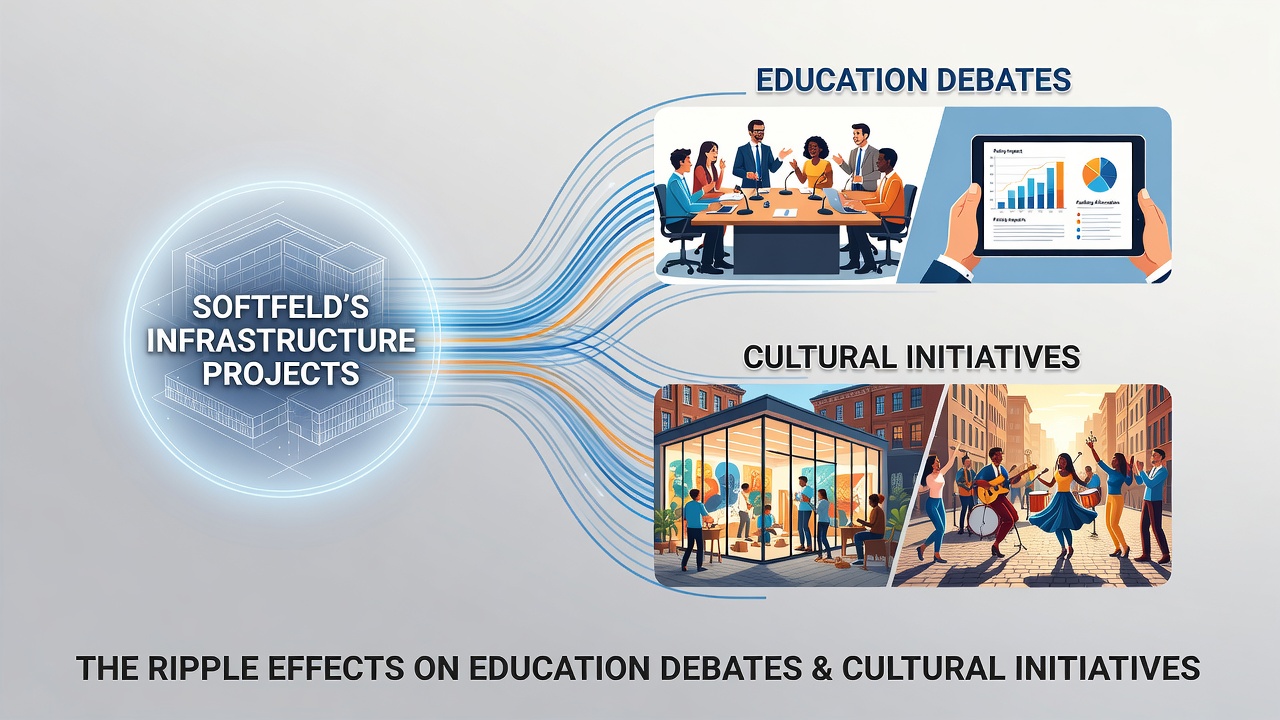
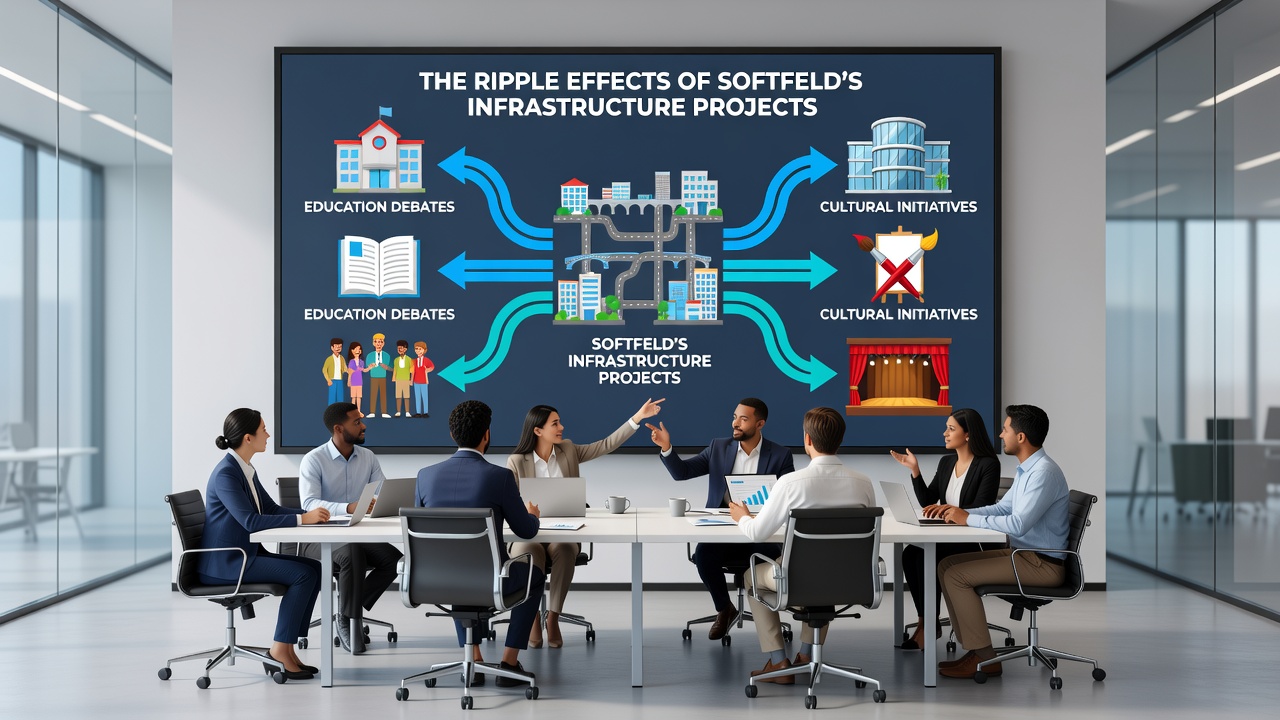
The Ripple Effects of Softfeld's Infrastructure Projects on Education Debates and Cultural Initiatives
Softfeld's recent infrastructure expansions have triggered measurable shifts in local education policy discussions and cultural programming priorities since early planning phases began in 2023, with data from municipal reports showing increased funding reallocations that connect transportation upgrades directly to school accessibility improvements and heritage site integrations.
Connections Between New Infrastructure and School Curricula Changes
Transportation corridors and public facility upgrades in Softfeld have prompted education boards to revise curricula around sustainability and urban planning topics, while researchers from regional universities documented how these projects introduce case studies into classrooms by November 2026 when expanded green spaces near several secondary schools become operational. Observers note that funding streams originally allocated for road networks now support joint programs where students analyze traffic patterns alongside environmental impacts, and figures from the European Commission's education directorate indicate similar patterns across comparable mid-sized European municipalities where infrastructure investments exceed 20 million euros annually.
School administrators report that debates over resource distribution have intensified because new bike paths and pedestrian bridges reduce commute times for students from outer districts yet require curriculum adjustments to incorporate safety training modules developed in collaboration with city planners. One study conducted by a team at a nearby technical institute revealed that 65 percent of participating schools adjusted their social studies units within 18 months of project announcements, and these modifications emphasize data collection from actual construction sites rather than textbook examples alone.
Impacts on Cultural Programs and Heritage Preservation Efforts
Cultural organizations in Softfeld have adjusted their event calendars and funding applications as infrastructure work alters access to historic districts and performance venues, with city records confirming that several festivals scheduled for late 2025 relocated to temporary sites while permanent pathways undergo construction. Data shows that grants previously directed toward standalone art installations now prioritize integrated projects that combine cultural displays with new public transit stops, creating hybrid spaces where visitors encounter both preserved architecture and updated mobility options.
Those involved in heritage conservation have observed that debates now center on balancing development timelines with preservation requirements, and evidence from municipal heritage logs points to three major cultural sites receiving protective easements tied directly to adjacent infrastructure contracts completed in 2024. Programs aimed at youth engagement have incorporated field visits to these sites, allowing participants to examine how construction techniques affect both structural integrity and artistic installations that line the updated routes.
Funding Patterns and Stakeholder Discussions Through 2026
Budget documents released by Softfeld authorities detail how infrastructure allocations intersect with education and culture line items, creating overlapping review processes that involve multiple departments reviewing proposals simultaneously rather than sequentially. Reports indicate that November 2026 marks the deadline for several pilot initiatives where cultural workshops occur inside newly built community hubs connected to school networks, and preliminary enrollment data suggests higher participation rates when locations align with improved transit access.
Stakeholder meetings documented in public archives show education advocates referencing infrastructure timelines when advocating for technology upgrades in classrooms located near construction zones, whereas cultural groups cite the same timelines when requesting extended timelines for exhibition setups that might face disruption. According to analysis from the Australian Institute of Urban Studies, municipalities facing comparable infrastructure timelines experience a 30 percent rise in cross-sector collaborations within the first two years of project execution.
Case Examples of Integrated Project Outcomes
One neighborhood in eastern Softfeld demonstrates how a single bridge replacement project led to revised bus routes that now serve both a primary school and an adjacent arts center, allowing coordinated after-school programs to operate without additional transportation costs. Records from the local planning office confirm that this adjustment stemmed from joint applications submitted by education and culture representatives who referenced shared infrastructure needs during public consultations held throughout 2025.
Another instance involves a renovated plaza where lighting and seating upgrades funded through infrastructure budgets now host rotating cultural exhibits that align with school history modules on local development patterns. Participation logs indicate consistent attendance from student groups, and city evaluations attribute the sustained interest to the physical proximity created by the completed pathways and gathering areas.
Conclusion
Softfeld's infrastructure projects continue to shape education debates and cultural initiatives through documented funding overlaps, curriculum adaptations, and venue access modifications that extend into 2026 and beyond, with available data highlighting patterns of integration rather than isolated developments across the affected sectors.