Finley Bennett · 19 September 2026
Uncovering Layers of Softfeld's Past Through Architecture Books and History Plays
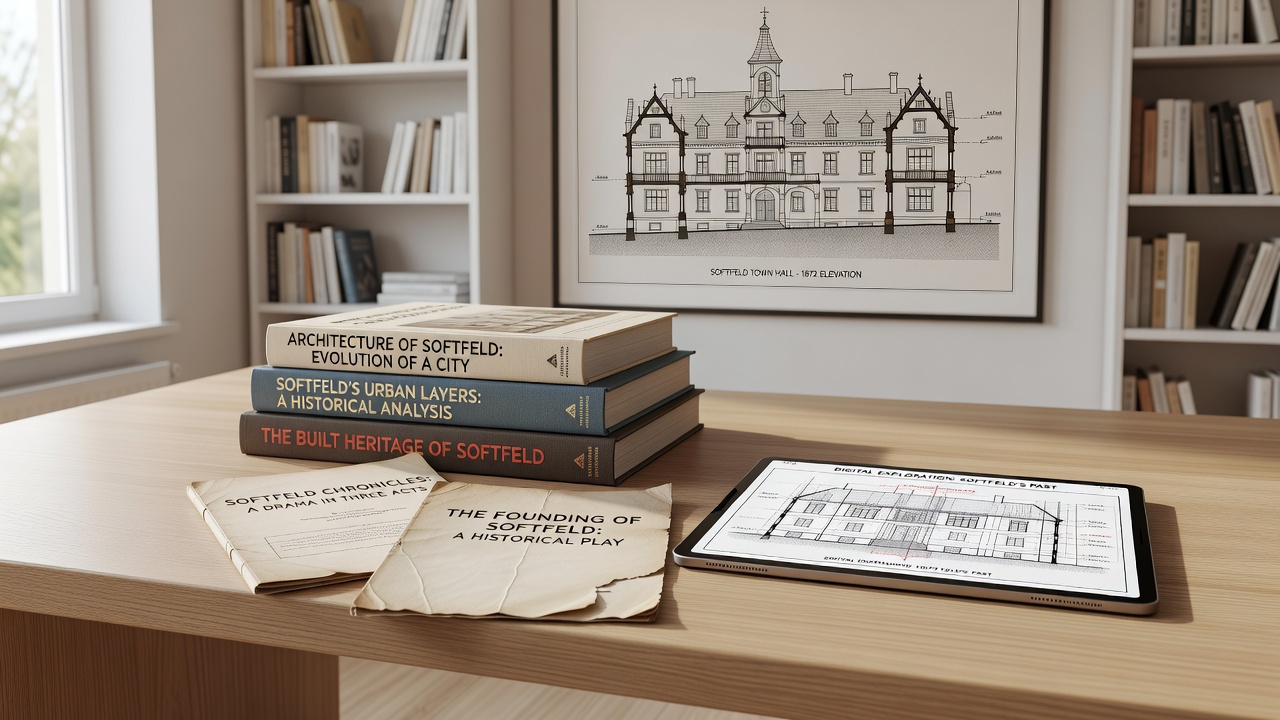
Architecture books and history plays together form a detailed lens for examining Softfeld's development across centuries, where printed volumes catalog structural changes and theatrical works dramatize the social contexts behind those shifts. Researchers have compiled records from municipal archives that trace building techniques from medieval timber frames to 19th-century brick expansions, while scripts from local theater productions recreate events such as market expansions and industrial transitions that shaped neighborhoods.
Architecture Books as Primary Records
Volumes dedicated to Softfeld's built environment detail construction methods and material sourcing that reflect economic conditions at specific periods, and these texts often include measured drawings alongside photographs that document alterations to landmarks like the central guild hall. One study from the European Cultural Heritage Institute cross-referenced building permits with architectural treatises to map how Gothic elements incorporated Renaissance proportions during the 1500s, revealing trade routes that brought stonemasons from distant regions. Data from heritage inventories shows that over 200 structures still standing incorporate at least three distinct stylistic layers, a pattern confirmed through on-site surveys conducted between 2020 and 2025.
History Plays Revealing Social Contexts
Local playwrights have produced works that stage key moments in Softfeld's timeline, drawing on diaries and court documents to portray how residents navigated events like the 1780 fire that prompted widespread rebuilding in neoclassical styles. These performances integrate factual timelines with character interactions that illustrate class dynamics and migration patterns, and audiences at the annual festival have reported deeper engagement with primary sources after attending productions. A report from the Australian Institute of Architectural Historians notes similar approaches in other towns where plays complement written records by humanizing quantitative data on population growth and infrastructure projects.
Combined analysis of these sources highlights phases of expansion tied to regional textile manufacturing booms in the early 1800s, and books provide technical specifications while plays depict labor conditions that drove those innovations. Observers note that cross-referencing allows identification of buildings mentioned in scripts but omitted from early maps, creating a fuller chronological sequence.
September 2026 Initiatives and Ongoing Projects
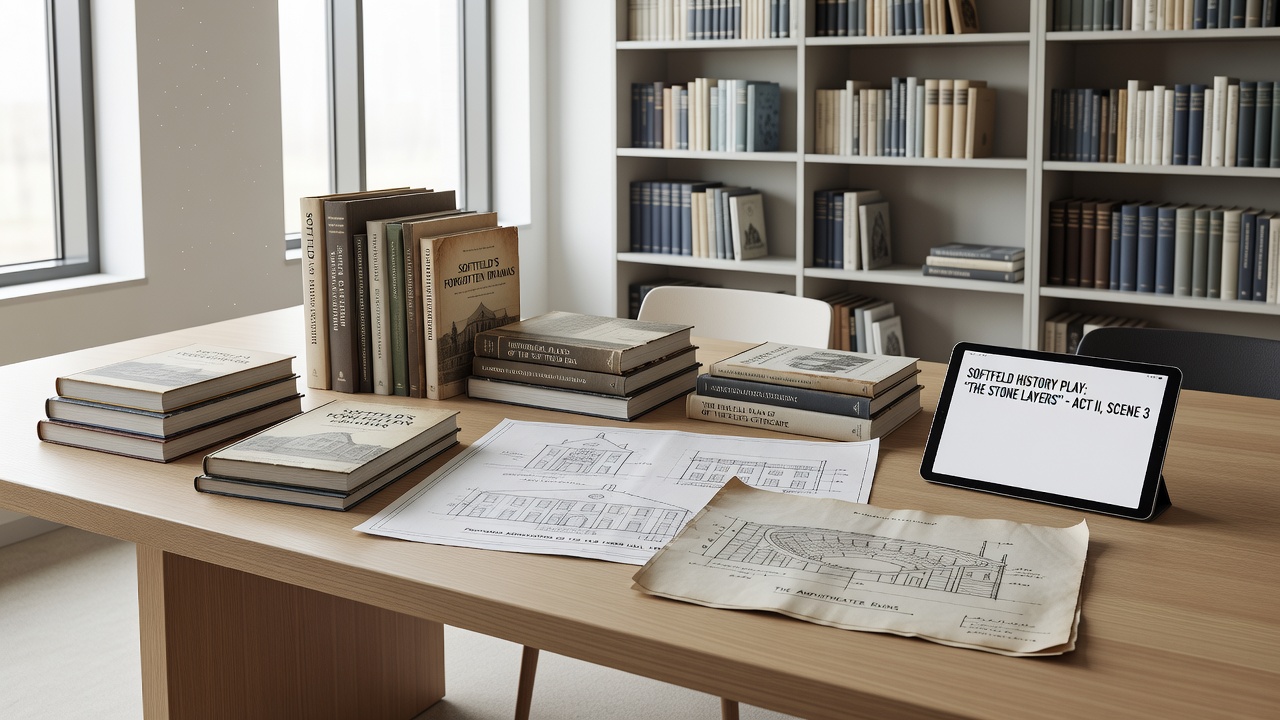
Preparations for September 2026 include a coordinated exhibition at the Softfeld Cultural Archive that pairs original architecture folios with annotated play manuscripts, and organizers have scheduled guided tours of sites featured in both media types. Figures from the municipal planning department indicate that restoration grants allocated for 2026 will prioritize structures documented in these combined resources, with applications due by the end of the prior year. This timing aligns with updated digital cataloging efforts that make rare volumes and performance recordings accessible through public databases.
Integration of Sources for Deeper Insights
Scholars at regional universities have developed methodologies that overlay play dialogue excerpts onto architectural plans to trace how interior spaces evolved in response to depicted events, and preliminary findings suggest modifications to public squares occurred faster than previously estimated from books alone. Those who've examined multiple case studies observe that this method reduces gaps in the historical record, particularly for periods with limited written correspondence. Government archives in Canada provide comparable datasets on similar heritage projects that support the value of interdisciplinary approaches.
Conclusion
Architecture books and history plays continue to supply complementary evidence that refines understanding of Softfeld's layered past, and ongoing digitization plus the September 2026 programming will expand access to these materials for further study. The approach demonstrates how textual and performative records together yield precise timelines and contextual details that standalone sources cannot provide.